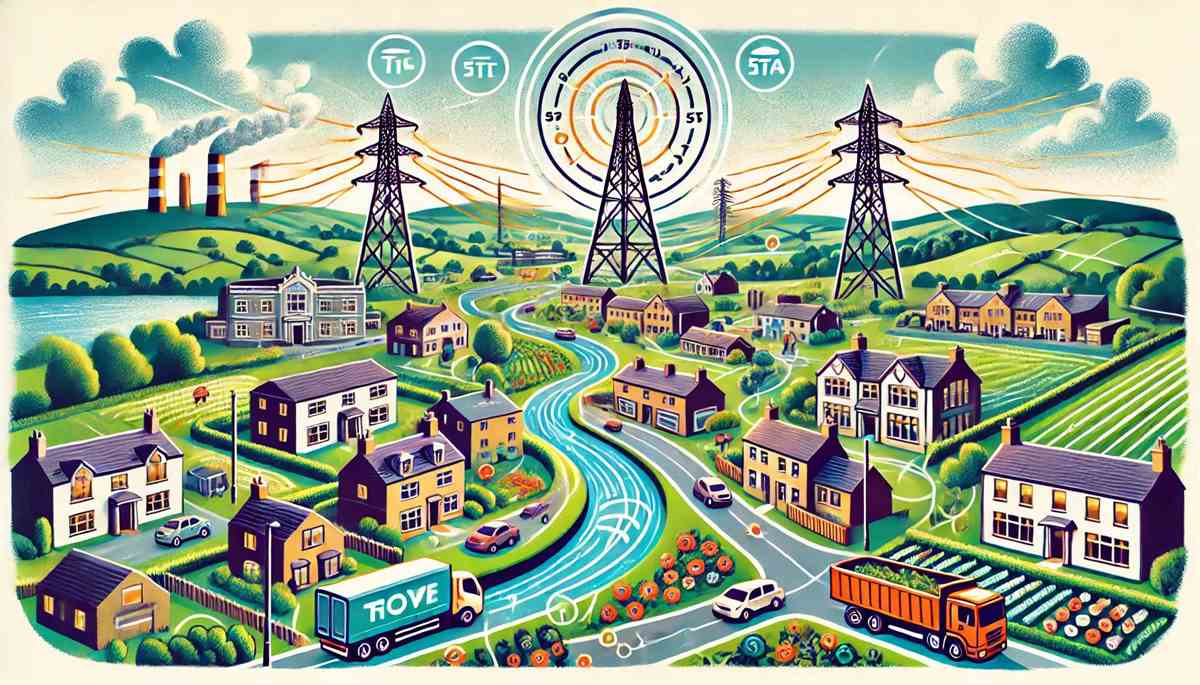
Unlocking the Power of Connectivity: Fast Fibre Internet Access in Edenfield, Lancashire
In today’s fast-paced digital world, reliable internet access has become a necessity rather than a luxury. For residents and businesses in Edenfield, Lancashire, high-speed fibre internet can dramatically enhance day-to-day operations and enhance the quality of life. This article explores the myriad benefits of fast fibre internet access and why Edenfield is making strides in becoming a connectivity hub within the region.
What is Fibre Internet?
Fibre internet is a type of broadband that uses fibre-optic cables to transmit data at incredible speeds. Unlike traditional copper cables that can limit bandwidth and speed, Fiber-optic technology utilizes light to deliver data. This means significantly faster upload and download speeds, lower latency, and the ability to support multiple devices simultaneously.
The Technical Advantages of Fibre Internet
- Speed: Fibre internet offers exceptional speeds, often exceeding 1 Gbps. This means rapid downloads, seamless streaming of high-definition content, and lag-free online gaming.
- Reliability: Fibre-optic connections are less susceptible to interference from electrical signals, ensuring a more stable connection even during peak usage times.
- Symmetrical Speeds: With fibre internet, users experience equal upload and download speeds, making it ideal for tasks requiring high data transfers, such as video conferencing or cloud data backups.
- Future-Proofing: Fibre infrastructure is designed to handle increasing data demands, making it a sustainable option for the future, well beyond traditional DSL or cable internet services.
The Impact of Fast Fibre Internet in Edenfield
Fibre internet access in Edenfield serves as a pivotal resource for both residents and businesses. Here are some of the immediate effects observed within the community.
Economic Growth and Business Opportunities
In recent years, Edenfield has seen an influx of small enterprises and start-ups aiming to take advantage of fast internet speeds. Multiple sectors benefit, including:
- Remote Work: The COVID-19 pandemic has accelerated the shift toward remote work. With fast fibre internet, professionals can enjoy efficient telecommuting, improving work-life balance and reducing the need for lengthy commutes to major urban centers.
- E-commerce: The rise of e-commerce has triggered an unprecedented demand for reliable internet infrastructure. Local businesses are empowered to reach global markets, elevating their visibility and sales.
- Digital Innovation: Start-up culture thrives on reliable connectivity, enabling entrepreneurs to develop, launch, and scale their ideas effectively.
Enhanced Quality of Life
Fast fibre internet also directly enhances the everyday experiences of Edenfield residents:
- Online Education: The increase in online learning options has become increasingly crucial for students and parents alike. High-speed internet facilitates seamless access to educational resources and virtual classrooms.
- Health Services: Telemedicine and health-related apps are revolutionizing healthcare access. High-speed internet enables patients to consult healthcare providers from home, ensuring timely medical advice and support.
- Social Connectivity: Whether it's video calls with family or sharing experiences via social media, a stable internet connection enriches personal relationships and fosters community engagement.
How to Access Fast Fibre Internet in Edenfield
Several providers are offering fibre internet services, each with unique plans to cater to different needs. Residents and businesses should consider the following steps to get connected:
- Research Available Providers: Identify which internet service providers (ISPs) offer fibre-optic connections in Edenfield. Popular options may include national providers and local firms competitive in terms of pricing and service.
- Evaluate Packages: Compare various packages based on factors such as speed, monthly costs, data caps, and additional features like bundling with TV or phone services.
- Check Installation Requirements: Some providers may offer self-installation kits, while others may require professional installation. Understand the process to ensure a smooth transition to fast internet.
- Read Reviews and Seek Recommendations: Leverage community insights by checking online reviews or consulting neighbors about their experiences with local providers.
Overcoming Barriers to Fibre Internet Adoption
Despite the numerous advantages of fibre internet, barriers still exist. Some residents may be hesitant to switch due to the following concerns:
Cost Factors
While fibre internet can provide exceptional service, it often comes at a higher price point than traditional DSL or cable services. However, the long-term benefits and superior user experience can outweigh the initial investment. Additionally, many ISPs offer promotional deals and flexible payment plans to ease the financial transition.
Awareness and Education
Lack of awareness about the advantages of fibre internet can hinder its adoption. Community engagement initiatives, webinars, and local information sessions can play a pivotal role in educating residents about the benefits of upgrading to fibre.
Infrastructure Development
As demand for fibre networks increases, local governments and private companies can collaborate to enhance infrastructure development. Investments in technology, machinery, and manpower can expedite the rollout of fibre-optic services to remote areas of Edenfield.
Conclusion: A Connected Future for Edenfield
Fast fibre internet access in Edenfield, Lancashire, opens up a world of opportunities for both residents and businesses. Enhanced connectivity drives economic growth, supports education and healthcare, improves personal relationships, and positions Edenfield as a forward-thinking community in a digital age.
By leveraging the power of fibre internet, residents can take full advantage of everything that the online world has to offer. Greater awareness, ongoing infrastructure development, and community engagement are essential in ensuring that Edenfield truly becomes a model of connectivity for the 21st century.
Invest in the future—connect to fast fibre internet and watch Edenfield thrive!
When it comes to UK gigabit broadband, a crowded field of providers including EE, Sky, BT, TalkTalk, Virgin Media, and Vodafone offer blazing-fast speeds that promise a significant upgrade for heavy internet users. Reviews often highlight Virgin Media's consistent performance and extensive fiber optic network as a key strength, frequently topping speed tests and lauded for its reliability. EE, leveraging its mobile network expertise, is also gaining traction with competitive speeds and attractive bundles, while Sky and BT, established players, offer robust packages with varying price points and customer service reputations. TalkTalk, often positioned as a more budget-friendly option, still delivers impressive gigabit speeds, though some reviews suggest customer service can be a mixed bag. Vodafone, a newer entrant to the fixed-line broadband scene, is making waves with strong performance and often competitive pricing, particularly when bundled with their mobile services. Ultimately, the 'best' gigabit broadband often depends on individual needs, location, and the specific deals available at the time of review.
.webp "UK Full Fibre Gigabit Broadband Deals in the UK. Best UK Internet Deals.")
.webp "UK people reviewing full fibre business and home broadband deals on their laptop.")
Despite significant investment and ongoing rollout, the United Kingdom continues to grapple with persistent broadband connectivity issues, impacting both residential and commercial users. A substantial portion of the population, particularly in rural and remote areas, experiences significantly slower speeds and less reliable connections compared to their urban counterparts. This digital divide exacerbates existing inequalities, hindering access to essential online services, educational resources, and remote working opportunities. Furthermore, even in areas with advertised high-speed coverage, users frequently report inconsistent performance, fluctuating speeds, and frequent disconnections, often attributed to outdated infrastructure, network congestion, and inadequate maintenance by internet service providers.
The challenges are multifaceted, encompassing geographical obstacles, economic viability for providers, and regulatory complexities. Laying fibre optic cables across the diverse and often challenging British landscape, from rugged coastlines to dense urban centres, presents considerable logistical and financial hurdles. For internet service providers, the return on investment in sparsely populated regions can be considerably lower, leading to slower deployment and a reluctance to upgrade infrastructure where demand is perceived as less lucrative. Compounding these issues are the intricate planning permissions, street works licenses, and the need to coordinate with multiple utility companies, which can significantly delay the implementation of new broadband networks and the repair of existing ones.
Moreover, the regulatory framework, while striving for universal service obligations, has faced criticism for its effectiveness in enforcing timely upgrades and ensuring equitable service delivery. While government initiatives and subsidies aim to bridge the digital divide, their impact can be gradual, and the pace of technological advancement often outstrips the speed of infrastructure development. Consumer protection measures, though in place, can struggle to adequately address the systemic nature of the widespread broadband problems, leaving many individuals and businesses frustrated by a lack of viable alternatives and a perceived inertia in the system.
Consequently, the persistent broadband problems in the UK have far-reaching implications for economic growth, social inclusion, and individual well-being. Businesses reliant on stable internet connections face productivity losses and are at a competitive disadvantage. Citizens in underserved areas are denied equal access to opportunities, and the overall digital economy is hampered by the uneven distribution of robust connectivity. Addressing these entrenched issues necessitates a sustained and collaborative effort involving government, regulatory bodies, internet service providers, and local communities to ensure that reliable, high-speed broadband becomes a universal reality across the nation.